Smooth Stucco Exterior Cost: Dallas Project Factors
"Plan a Dallas smooth-stucco exterior by comparing wall systems, substrate repairs, moisture details, access, finish tolerances, coatings, and bid assumptions."
Smooth Stucco Exterior Cost: a concise answer for Dallas commercial projects
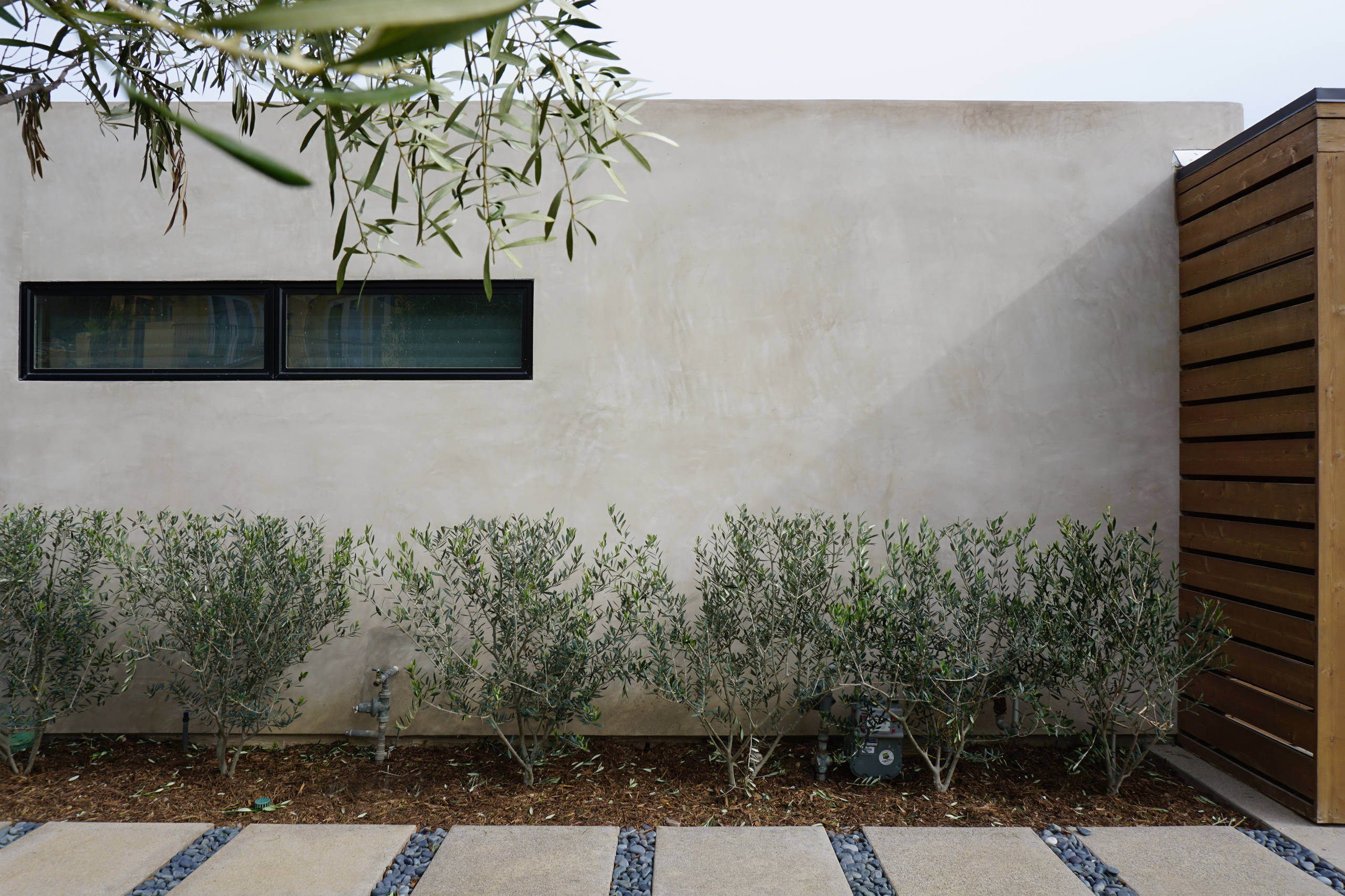
Short answer: Smooth stucco exterior cost in Dallas depends on the wall system, existing substrate, moisture-management details, access, height, openings, finish tolerance, coatings, and repair scope. A responsible commercial budget begins with measured elevations and a written system specification, not a generic square-foot figure.
Why there’s a wide range: primary cost drivers
Smooth stucco pricing is dominated by a handful of project variables. Understanding these early will help you interpret bids and avoid change orders.
1. System type: one-coat, three-coat (traditional), or EIFS
Different systems require different materials and labor. One-coat systems are typically faster and cheaper to install but may have different performance characteristics than a traditional three-coat cement system. EIFS (synthetic stucco) often costs more up-front because it includes insulation layers and specialized details. Expect the system selection to move a bid noticeably.
2. Substrate condition and preparation
Smooth finishes show every irregularity. If walls are new and straight, prep is simple; if the substrate needs repair, straightening, or stabilization, costs rise. Budget for minor textured-wall preparation or major stabilization as appropriate (typical planning ranges: about $2/sq ft for minor prep and about $5/sq ft for major stabilization). These are planning ranges—not a quote—and are intended to help you compare bids.
3. Access, height, and complexity
Commercial buildings often require powered lifts or multi-level scaffolding, safety plans, and longer set-up times. Jobs with lots of penetrations (canopies, soffits, large windows, copings, cornices) add labor for flashing and trim work. Commercial access and safety requirements can materially increase staging and access line items.
4. Local labor market and scheduling
Labor availability affects price and lead time. In Dallas, experienced stucco crews who can produce a flawless smooth finish command premium rates; a rushed schedule or limited crew can increase cost through overtime or staging inefficiencies. Local permits and inspections can also add time and modest direct costs.
5. Finish, coatings and warranty requirements
Smooth stucco typically arrives unpainted, and most owners choose a high-quality exterior coating to protect the finish from UV and moisture. Paint, primers, or elastomeric coatings add material and labor costs. If the owner or architect requires extended warranties, third-party inspections, or special moisture barriers, include those in your budget conversation.
How systems compare (simple table for planning)
The table below summarizes common systems and the kind of cost and tradeoffs you should expect in a Dallas commercial estimate. Use the figures as planning ranges; an on-site takeoff and specification produce a real bid.
| System | Typical Dallas planning range (installed) | Pros | Cons |
|---|---|---|---|
| One-coat cement stucco | $5–$8 / sq ft | Lower cost, faster install | Less tolerant of substrate movement; sometimes shorter lifecycle than three-coat |
| Three-coat (traditional) stucco | $6–$11 / sq ft | Durable, proven performance for heavy-use exteriors | More labor-intensive and requires longer cure times |
| EIFS (synthetic stucco with insulation) | $8–$12+ / sq ft | Built-in insulation value, lightweight, flexible finishes | Requires strict moisture detailing and certified installers; higher upfront cost |
These system comparisons show the scope and performance tradeoffs that appear in commercial specifications. Move from budget planning to a project-specific bid by giving each contractor the same measured elevations, substrate assumptions, access constraints, and finish requirements.
Preparing a commercial scope so bids are comparable
To compare contractor bids apples-to-apples, specify a scope that covers substrate, transition details, and performance expectations. Below is a practical checklist to include in an early scope or RFP.
- Measured elevations and a square-foot takeoff — include windows, door openings, and soffits separately.
- Substrate report — note sheathing type, existing coatings, and any known structural movement.
- Water-resistive barrier (WRB) and flashings — specify the WRB, drainage plane, and weep screed requirements.
- Lath type and attachment — wire lath vs. metal lath vs. other options; specify fastener patterns.
- Penetrations and details — gutters, scuppers, expansion joints, control joints, through-wall flashings, and keyed conditions.
- Access and safety — scaffolding versus lifts, fall-protection systems, staging areas, and load-in paths.
- Finish and coating — specify smooth texture degree, finish coat color, paint or elastomeric system, and sheen.
- Mock-up and acceptance criteria — require a small completed mock-up panel for owner/architect approval before full production.
- Schedule windows and cure times — specify seasonal restrictions and cure periods if the project is time-sensitive.
Include line items for minor textured-wall preparation (~$2/sq ft) and for major stabilization (~$5/sq ft) where appropriate so bidders price repairs consistently rather than treating them as “change work.”
How contractors typically break a commercial stucco bid
A commercial stucco bid commonly separates costs this way:
- Mobilization and site set-up — lifts/scaffold, staging, and protection.
- Substrate repairs / demo — removal of failed finishes, repair of sheathing and framing issues.
- Weatherproofing and flashing — WRB, flashings, weep screed, through-wall flashings.
- Lath and reinforcement — labor and materials for lath and fasteners.
- Base coats / brown coats — one or more coats depending on system.
- Finish coat and coating — tinted finish, topcoat, and any sealers or paints.
- Cleanup, punchlist, and mock-up acceptance — final QA work and touch-ups.
Ask bidders to present their price by these line items. That makes comparisons and later negotiations more straightforward, and it reveals whether a low bid cut corners on a single high-risk area such as flashing or WRB.
Commercial hiring checklist — what to ask contractors
When you interview stucco contractors for a commercial job, focus on experience with smooth finishes, quality control, and documentation.
- Request a portfolio of smooth-stucco commercial projects with contactable references and a photographed mock-up that shows joint work and flashing details.
- Confirm licenses and insurance appropriate for Dallas commercial work.
- Ask about mock-ups — require a small, paid mock-up panel to verify finish, color, and workmanship before full production begins.
- Get a written scope for moisture management — WRB, drainage plane, and integration with adjacent trades (roofers, window installers, flashing installers).
- Agree on acceptance criteria and holdback — include a small final holdback until punchlist items are closed.
Commercial jobs benefit from stronger contract language on tolerances and acceptance than most residential jobs. Ask for a project schedule that includes drying and cure windows for the installed system.
Typical timelines and staging considerations
For a medium-sized commercial building, allow for a multi-week mobilization to set up scaffolding and protect adjacent work, followed by staged wall sections for application and cure. Traditional three-coat systems require longer total cure windows than one-coat systems; EIFS requires careful sequencing with flashing and window trades. Discuss sequencing with your general contractor early so the stucco crew doesn’t have to wait on incomplete openings or unfinished adjacent trades.
Illustrative scope scenarios for budgeting
| Scenario | Typical scope | Main budget risks | Best next step |
|---|---|---|---|
| Sound existing shell | Compatible substrate, limited repairs, straightforward access | Hidden adhesion problems and omitted flashing transitions | Confirm test areas, tie-ins, coating compatibility, and written repair allowances |
| Occupied commercial façade | Phased work around entrances, tenants, signage, and public circulation | Staging, protection, work-hour restrictions, and repeated mobilization | Require a logistics plan and separate access costs from finish application |
| Rebuild or major remediation | Removal, sheathing or substrate repair, WRB, lath, base coats, finish, and coatings | Concealed damage, engineering details, permits, and trade coordination | Complete destructive investigation and system detailing before requesting final bids |
These scenarios show why two buildings with similar wall area can receive very different proposals. Keep system components, repairs, access, protection, mockups, coatings, cleanup, and alternates visible as separate line items.
Common commercial pitfalls and how to avoid them
- Under-spec’d flashing and WRB integration — require details and third-party checks where water intrusion would be damaging.
- Assuming all smooth finishes hide irregularities — ask for a substrate inspection and price any required straightening up-front.
- Skipping a mock-up — a small mock-up prevents finish mismatches and sets expectations for color and texture.
- Ignoring access costs — lifts, scaffolding, and staging areas in dense urban sites can materially increase cost.
How to compare Dallas smooth-stucco bids
Request at least two detailed proposals based on the same measured elevations, substrate assumptions, and system description. Compare what each bidder includes for investigation, moisture management, flashing tie-ins, lath or base-coat work, control joints, access, mockups, finish coats, coatings, protection, cleanup, and exclusions.
When one proposal is much lower, do not assume it is more efficient. Check whether it omits substrate repair, access equipment, waterproofing transitions, finish mockups, or work-hour constraints. Ask each bidder to state assumptions in writing and price uncertain repairs as unit-rate or allowance items so later changes are traceable.
For finish design and project-planning context, review our modern stucco exterior guide and browse additional articles in the finish planning library.
FAQ
Q: Is smooth stucco more expensive than textured stucco?
A: Not necessarily by material cost, but smooth finishes demand better substrate preparation and tighter workmanship tolerances. Those additional labor and prep costs are often what make smooth finishes land higher on the bid than a comparable textured finish.
Q: Can smooth stucco be applied over existing brick or CMU?
A: Yes, with the right preparation. Brick or CMU typically requires a leveling or bonding approach, proper flashing, and a suitable lath and WRB system. Expect additional prep costs and a required mock-up to confirm adhesion and finish quality.
Q: How long does a commercial smooth-stucco exterior last?
A: Life expectancy depends on system, maintenance, and moisture management. Properly detailed and maintained cement-based stucco commonly performs for decades. EIFS lifespans depend heavily on the quality of detailing and drainage; plan for regular inspection of penetrations and flashings.
Q: Do I need a permit for commercial stucco work in Dallas?
A: Permit and inspection requirements depend on the exact exterior scope; general contractors or stucco installers often submit the required paperwork. Confirm local permitting steps with the building department before mobilization.
Q: What’s the best way to control cost without sacrificing durability?
A: Control scope early: decide on system type, require a paid mock-up, and include explicit substrate repair allowances in the bid. Investing in correct flashing, WRB, and lath pays off long-term; skimping on these items commonly creates repair costs later.
Next steps for Dallas commercial projects
If you’re preparing a budget or an RFP, start with measured elevations and a clear system choice (one-coat, three-coat, or EIFS). Require bidders to price line items for substrate repair, scaffolding, and coatings so you can compare apples-to-apples.
For a project-specific discussion and finish mockup, contact Accent Wall of Art. For more information about our smooth-stucco services see our smooth stucco services and to confirm coverage in your area view Dallas project locations. You may also reach us via contact. Accent Wall of Art; (469) 608-0780
Note: A project-specific proposal should be based on measured elevations, documented substrate conditions, access requirements, system details, finish expectations, and written exclusions.
Related Questions & Answers
Q: Is smooth stucco more expensive than textured stucco?
A: Not necessarily by material cost, but smooth finishes demand better substrate preparation and tighter workmanship tolerances. Those additional labor and prep costs are often what make smooth finishes land higher on the bid than a comparable textured finish.
Q: Can smooth stucco be applied over existing brick or CMU?
A: Yes, with the right preparation. Brick or CMU typically requires a leveling or bonding approach, proper flashing, and a suitable lath and WRB system. Expect additional prep costs and a required mock-up to confirm adhesion and finish quality.
Q: How long does a commercial smooth-stucco exterior last?
A: Life expectancy depends on system, maintenance, and moisture management. Properly detailed and maintained cement-based stucco commonly performs for decades. EIFS lifespans depend heavily on the quality of detailing and drainage; plan for regular inspection of penetrations and flashings.
Q: Do I need a permit for commercial stucco work in Dallas?
A: Permit and inspection requirements depend on the exact exterior scope; general contractors or stucco installers often submit the required paperwork. Confirm local permitting steps with the building department before mobilization.
Q: What’s the best way to control cost without sacrificing durability?
A: Control scope early: decide on system type, require a paid mock-up, and include explicit substrate repair allowances in the bid. Investing in correct flashing, WRB, and lath pays off long-term; skimping on these items commonly creates repair costs later.
Discuss Your Custom Surface Project
Every project starts with a brief onboarding call with our principal design team. We discuss color matches, light reflections, and deliver custom sample boards directly to your Dallas-area home.
Ready to Transform Your Surfaces?
We bring ancient Italian artistry and cutting-edge continuous surfaces directly to Dallas' most prestigious homes. Whether you need Venetian plaster, seamless microcement floors, or exterior smooth stucco, our team delivers perfection.
Inquire Online
Submit your details and project scope. Our design lead will review your requirements.
Mandatory Onboarding Call
All signed clients are required to schedule a brief call with our principal design lead to finalize sample boards, color palettes, and lighting conditions.
Artisan Execution
Our team of master plasterers hand-crafts your finishes to perfection.
Plaster & Microcement Care Studio
Learn how to clean stains, wax dry plasters, and protect microcement wetrooms with our interactive care guidelines.
Request a Free Custom Estimate
Fill out the form below. We will get back to you within 24 business hours.