
Roman Clay Accent Wall Cost: Dallas Planning Guide
"Plan a Roman clay accent wall by comparing measured area, substrate preparation, samples, finish movement, access, protection, and project minimums."
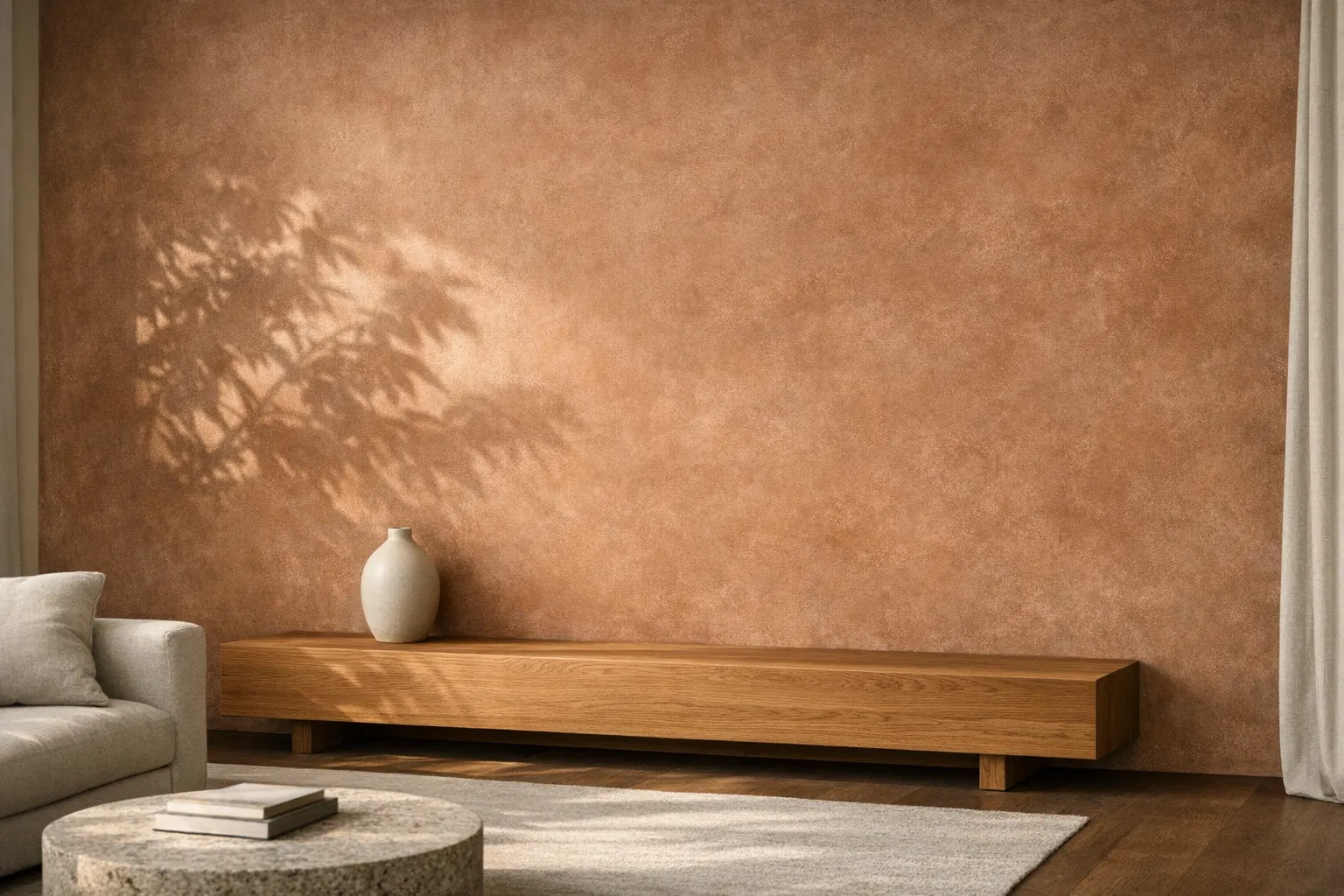
Quick answer: what affects Roman clay accent wall cost
Short answer: Roman clay accent wall cost depends on measured wall area, substrate condition, corners and openings, sample development, finish movement, room protection, access, and project minimums. Roman clay is not a standardized commodity finish, so a responsible budget starts with a wall assessment and a written scope rather than a borrowed square-foot number from another material.
How to think about cost components
Break the job into clear components so you can compare quotes apples-to-apples. Most price variance comes from four areas:
- Surface preparation: Is the drywall or plaster stable, flat, and clean? Small patching and light sanding are low effort; cracks, delamination, or soft layers require more work and materials.
- Finish material and technique: Roman clay finishes range from smooth, subtle color-wash looks to textured, layered patinas. The complexity of trowel work, color blending, and sealers changes labor time and cost.
- Access and masking: Working around cabinets, trim, high ceilings, or in occupied rooms increases prep and protection time. Moving furniture, protecting flooring, and careful masking should be included in a bid.
- Project scale and extras: Smaller accent walls usually have a higher per‑square‑foot rate than large runs because setup and cleanup are similar regardless of area. Add-ons such as decorative molding, integrated shelving, or special sealers increase price.
What a Roman clay proposal should itemize
A useful Roman clay proposal separates the decisions that change labor and material use. Ask the installer to identify the measured wall area, current coating, repair assumptions, primer or bonding system, number of finish passes, sample process, protection plan, edge details, sealer decision, and project minimum. This makes two proposals comparable even when contractors describe their systems differently.
Small feature walls can carry a higher effective rate because mobilization, masking, setup, sample development, and cleanup still occur. A taller wall, stairwell, fireplace return, built-in shelving, multiple corners, or a precise stop line can also increase labor without adding much square footage. Those conditions should be described in words and line items rather than hidden inside a single rate.
Surface condition is equally important. Sound, clean, flat drywall may need only a compatible primer and normal preparation. Loose texture, patchwork, glossy coatings, active cracks, water staining, or uneven repairs require investigation and corrective work before a decorative finish begins. A qualified installer should distinguish cosmetic preparation from repairs that belong to another trade.
Roman clay scope comparison table
| Scope item | Lower-complexity condition | Higher-complexity condition | What to confirm |
|---|---|---|---|
| Substrate | Sound, flat drywall with compatible paint | Heavy texture, repairs, cracks, or weak coatings | Which preparation tasks are included and which are allowances |
| Geometry | One open wall with simple edges | Returns, niches, shelving, fireplaces, or stair access | How corners, transitions, and stop lines will be finished |
| Sample development | One approved color and movement level | Several custom color or texture rounds | Number, size, and approval process for sample boards |
| Finish movement | Subtle, consistent tonal variation | Layered movement or tightly controlled custom pattern | Number of passes and the approved visual reference |
| Protection and access | Empty room with clear floor access | Occupied room, tall wall, fixed furnishings, or delicate adjacent finishes | Protection, staging, cleanup, and access responsibilities |
Use this table to compare scope, not to calculate a generic total. The most reliable estimate is based on measured conditions, an approved sample, and a written description of what the installer will repair, apply, protect, and clean.
How to get an accurate, comparable quote
When you request estimates, give contractors consistent information so bids are comparable. Provide:
- Exact wall dimensions (width × height) and any built‑ins or obstructions.
- Photos showing the whole wall, adjacent walls, and close-up of problem areas (cracks, texture, previous paint failures).
- Your desired look: a short list of images that show color, sheen, and texture you want. If you prefer a subtle clay wash versus a multilayer patina, say so.
- Whether the room will be occupied during work and whether the contractor must mask and protect flooring and furniture.
- Your timeline constraints and whether you want contractors to include time for color sampling and finish approvals.
Ask each contractor to provide a written scope that includes prep tasks, the number of finish coats, materials brand or type, sealer, and a line-item list of extras. A clear scope makes it much easier to compare bids and to avoid change orders mid-project.
Hiring: questions to ask and red flags to watch
When choosing a tradesperson for a decorative wall finish, focus on demonstrated experience, clear communication, and written terms. Here are practical questions to ask during a consultation:
- Can you show recent photos of completed clay or similar plaster accent walls that match the look I want?
- How will you prepare my wall surface for adhesion and long-term stability?
- What brands or types of clay/plaster and sealers do you intend to use?
- How will color be specified and approved? Do you offer small test patches or mockups?
- Who will do the work — the estimator or a different installer? Will subcontractors be involved?
- What is included in the written estimate (prep, number of coats, clean-up, touch-ups)?
- Can you provide references for similar projects in Dallas?
Red flags:
- No portfolio of recent, similar work or inability to show close-up images.
- Verbal estimates without a written scope or unclear inclusions for prep and masking.
- Refusal to do a small sample patch or mockup for color/texture approval.
Preparing your space: homeowner checklist
Most successful decorative finishes depend on good preparation. For a smooth installation:
- Clear or cover furniture and remove easily-removed wall fixtures. If the contractor is responsible for moving furniture, ask for it in writing.
- Remove fragile items and wall art near the work area. Good contractors will protect adjacent rooms and HVAC intakes, but keep valuables elsewhere.
- Identify trim and baseboard preferences (leave in place, remove and reattach, or paint after plastering).
- Decide whether you want electrical plates and switches removed during work—this is standard for a seamless application around outlets.
- Plan for color approval: contractors should provide a small sample patch or board so you can see the finish in your light before full installation.
Comparing DIY vs hiring a pro
DIY kits and tutorials exist for clay wash and limewash effects, and for homeowners with good surface skills a simple wash can be a cost-effective approach. However, when you want a refined, troweled Roman clay look or a multilayer patina with precise color and texture control, a professional installer will usually produce steadier results and finish longevity. Hire a pro if any of the following apply:
- You want a seamless, high-end troweled finish or complex layering.
- The wall has moisture issues, substantial cracks, or uneven substrate requiring stabilization.
- You want controlled color approval through sample patches before committing to the full wall.
Sample scope of work to request from installers
Ask contractors to provide a written scope that resembles the following outline so bids are comparable:
- on-site project assessment and measurement confirmation.
- Surface preparation: cleaning, light sanding, patching (list allowances for square footage), and stabilization if required.
- Application details: number of base coats, base materials, topcoat types, color mixing, and texture description.
- Sealers or protective topcoats specified (brand/type).
- Mockup/sample patch: location and approval process.
- Cleanup and touch-up: how and when final touch-ups will be done after initial cure.
- Payment terms, change-order process, and final acceptance criteria.
Where to learn more and find local installers
If you want to see a dedicated service page for Roman clay work, review a local service listing such as Roman clay walls in Dallas for examples of scope and presentation. For localized hiring information and tips for vetting tradespeople in the area, consult a Dallas listings page at our Dallas location. If you’re researching how to find the right installer, read a contractor-focused piece at Roman clay installer guidance, or browse additional topics in our resource center at the blog.
Common add-on costs to watch for
- Sealers and specialty topcoats: Some finishes require a breathable sealer designed for clay products—confirm whether this is included.
- Trim, trim replacement, or edge details: Working around or replacing trim is frequently itemized separately.
- Color sampling: Contractors often charge a modest fee for physical color samples or mockups; it’s a small investment that prevents disappointment.
- Repairs uncovered during prep: If prep reveals hidden damage, stabilization may be required and is usually quoted as an add-on rather than included in the initial estimate.
FAQ
What does “Roman clay” actually mean?
“Roman clay” is a broad term for clay-based interior plasters and decorative finishes inspired by historic techniques. It can be applied as a thin wash or a thicker troweled finish and is valued for a soft, matte look and subtle textural depth. Because the term is used loosely, clarify material, technique, and finish appearance with the installer.
How can I estimate my project budget responsibly?
Start with accurate wall dimensions and clear photos, then request a written proposal that separates preparation, sample development, finish application, protection, access, and optional sealing. Comparing those line items is more reliable than applying another material's square-foot range to Roman clay.
Do these finishes require special maintenance?
Clay and lime-based finishes are generally low maintenance for interior walls. Specific care instructions depend on sealer choice and finish type—ask the contractor for manufacturer care guidance for the product used on your job.
Will a clay finish work in higher-humidity rooms?
Clay and lime finishes are typically interior products. In bathrooms or other high-humidity zones, discuss moisture‑resistant or specialty topcoats with your installer. Some clay finishes can be made more tolerant with appropriate sealing, but check suitability for the specific product before proceeding.
Where can I see examples or ask for a consultation?
Review completed finish examples and discuss the wall condition, desired movement, lighting, and sample process with Accent Wall of Art. Use the contact page or call (469) 608-0780 to request a project-specific consultation.
Final notes: The most reliable Roman clay price comes from a written, itemized proposal based on measured conditions and an approved sample. Confirm preparation, finish passes, edge details, protection, optional sealing, and the change-order process before work begins. To discuss a Dallas-area project, use the contact page or call (469) 608-0780.
Related Questions & Answers
What does “Roman clay” actually mean?
“Roman clay” is a broad term for clay-based interior plasters and decorative finishes inspired by historic techniques. It can be applied as a thin wash or a thicker troweled finish and is valued for a soft, matte look and subtle textural depth. Because the term is used loosely, clarify material, technique, and finish appearance with the installer.
How can I estimate my project budget responsibly?
Start with accurate wall dimensions and clear photos, then request a written proposal that separates preparation, sample development, finish application, protection, access, and optional sealing. Comparing those line items is more reliable than applying another material's square-foot range to Roman clay.
Do these finishes require special maintenance?
Clay and lime-based finishes are generally low maintenance for interior walls. Specific care instructions depend on sealer choice and finish type—ask the contractor for manufacturer care guidance for the product used on your job.
Will a clay finish work in higher-humidity rooms?
Clay and lime finishes are typically interior products. In bathrooms or other high-humidity zones, discuss moisture‑resistant or specialty topcoats with your installer. Some clay finishes can be made more tolerant with appropriate sealing, but check suitability for the specific product before proceeding.
Where can I see examples or ask for a consultation?
Review completed finish examples and discuss the wall condition, desired movement, lighting, and sample process with Accent Wall of Art. Use the contact page or call (469) 608-0780 to request a project-specific consultation.
Discuss Your Custom Surface Project
Every project starts with a brief onboarding call with our principal design team. We discuss color matches, light reflections, and deliver custom sample boards directly to your Dallas-area home.
Ready to Transform Your Surfaces?
We bring ancient Italian artistry and cutting-edge continuous surfaces directly to Dallas' most prestigious homes. Whether you need Venetian plaster, seamless microcement floors, or exterior smooth stucco, our team delivers perfection.
Inquire Online
Submit your details and project scope. Our design lead will review your requirements.
Mandatory Onboarding Call
All signed clients are required to schedule a brief call with our principal design lead to finalize sample boards, color palettes, and lighting conditions.
Artisan Execution
Our team of master plasterers hand-crafts your finishes to perfection.
Plaster & Microcement Care Studio
Learn how to clean stains, wax dry plasters, and protect microcement wetrooms with our interactive care guidelines.
Request a Free Custom Estimate
Fill out the form below. We will get back to you within 24 business hours.