
Limewash Paint vs Regular Paint: Key Differences Explained
"Compare limewash and regular paint so you can choose the right finish for historic masonry, modern interiors, or high-traffic spaces. Learn prep, costs, timeline, and hiring questions."
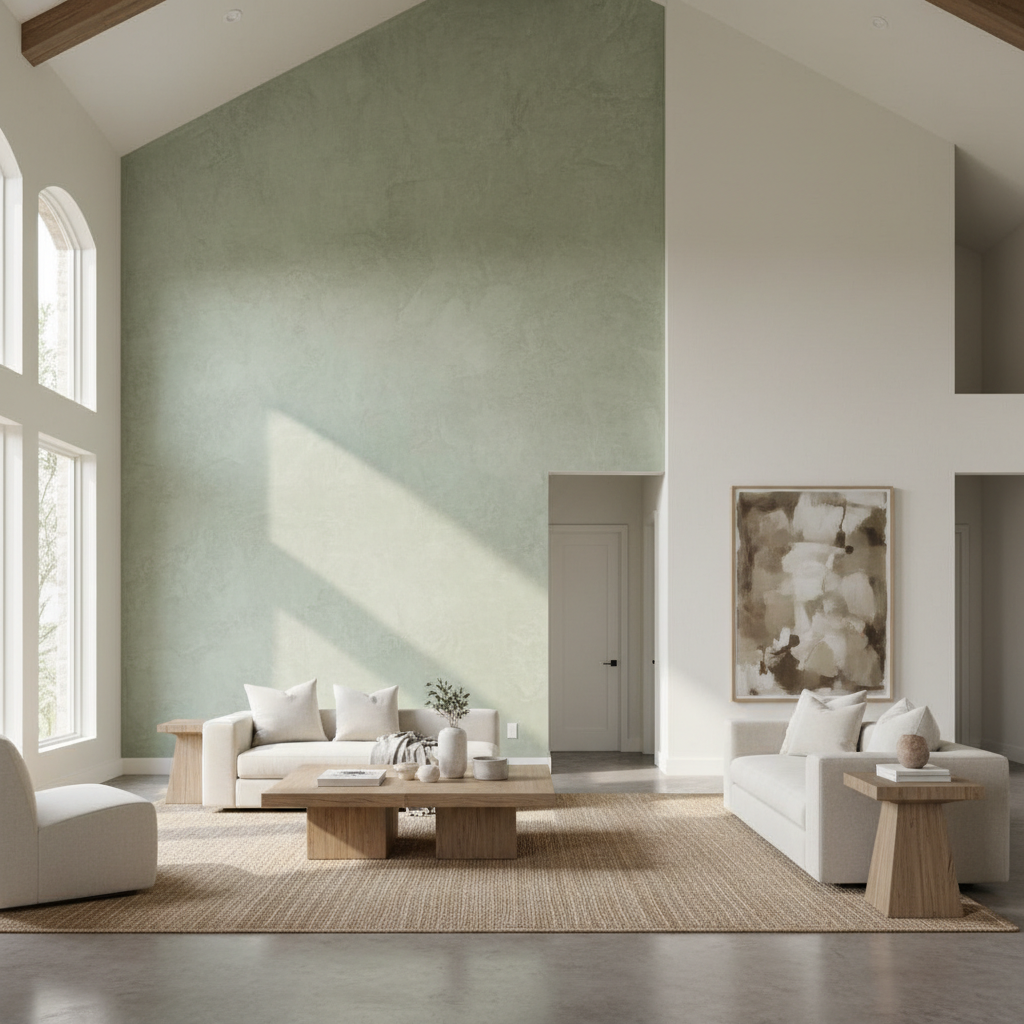
Limewash Paint vs Regular Paint: Which is right for your walls?
Short answer: choose limewash when you want a breathable, historic-looking, matte finish that patinas over time and performs well on masonry and lime-based substrates; choose regular paint (acrylic/latex or alkyd) when you need a wide color palette, higher durability in high-traffic interiors, faster installation, and easier long-term repainting.
How limewash and regular paint differ at a glance
Before you hire someone or set a budget, understand the practical differences that affect cost, preparation, longevity, and maintenance. Limewash is a mineral finish made from slaked lime and water with natural pigments; traditional "regular" paint refers here to modern waterborne (latex/acrylic) or oil-modified (alkyd) finishes. Each behaves differently on substrates, reacts differently to moisture, and requires different prep and expertise.
Key decision factors: substrate, look, breathability, and longevity
Make your decision against the realities of the wall you have and the look you want. Consider these factors:
- Substrate compatibility: Limewash bonds chemically to mineral surfaces—masonry, brick, lime plaster. It is not suitable for non-porous surfaces (glossy latex paint, some cured stucco sealers) without stripping or specialist primers. Regular paint adheres to a wider range of surfaces including drywall, primed plaster, wood, and metal.
- Breathability and moisture: Limewash is vapor-permeable; it lets moisture move through the wall and can reduce trapped moisture in older masonry. Modern latex paints are much less permeable; on historic or moisture-prone walls they can trap moisture and cause blistering or efflorescence if applied incorrectly.
- Appearance and finish: Limewash produces a matte, soft, layered patina that ages; it can be refreshed or layered to change depth. Regular paint offers flat to high-sheen finishes, consistent color, and easier color matching for exact tones.
- Durability and maintenance: Well-applied limewash on the right substrate resists UV fading and develops character, but it will wear and thin in high-contact areas and may require re-coating more often than a durable acrylic. Acrylic paints resist abrasion, scrubbability and are easier to clean; they are often preferred where stains and frequent cleaning are expected.
Surface preparation and scope: what professionals will assess
Preparation drives success more than the finish itself. A professional will look for substrate type, previous coatings, moisture issues, and structural cracks. Common preparation steps include:
- Cleaning: removing dirt, salts, mildew, and loose paint.
- Testing adhesion: on painted or sealed walls, tests determine whether the old coating must be stripped or abraded.
- Stabilization: repairing crumbling plaster or loose masonry. For planning, use the following preparation ranges as a guide: minor textured-wall preparation (about $2/sq ft) and major stabilization (about $5/sq ft).
- Priming: limewash sometimes requires a mineral-friendly sealer or lime primer on very porous or dusty surfaces; regular paint typically requires a primer compatible with the substrate and paint type.
For budgeting, limewash itself is a planning range of $10–$17/sq ft. Treat that only as a planning range, not a quote. The final price will depend on surface condition, number of coats, color complexity, and access (scaffolding vs. ladder).
Application differences and timeline
How a finish is applied affects cost and schedule:
- Limewash: Applied as thin washes in multiple passes. Each pass soaks into the surface and chemically carbonates as it cures. Because it’s applied thinly and often over several coats for depth, limewash jobs typically take longer wall-by-wall. Drying and carbonation are also weather-dependent—humidity and temperature matter.
- Regular paint: Modern latex and acrylics are applied in thicker coats, often two coats including primer, and dry quickly. These jobs are usually faster per room and easier to schedule around weather for exteriors.
Example timeline (typical single interior room, reasonable access):
- Assessment & prep: 1–2 days (minor) or longer with major stabilization.
- Limewash layering: 2–4 days depending on number of passes and curing time between coats.
- Regular paint: 1–2 days (primer + one or two coats), plus drying time.
Cost comparison and budgeting (practical table)
The table below summarizes common cost-related considerations. Use the limewash planning range and preparation rates above when making a preliminary budget.
| Feature | Limewash | Regular Paint (latex/acrylic) |
|---|---|---|
| Material cost (planning) | $10–$17/sq ft (limewash planning range only) | Material cost varies widely; labor often dominates for high-quality finish |
| Prep cost (typical) | Minor prep ~ $2/sq ft; major stabilization ~ $5/sq ft | Similar prep costs; primer often required |
| Labor intensity | Higher (multiple thin coats, curing time) | Moderate (primer + top coats) |
| Maintenance frequency | May need touch-ups or re-coating on high-contact areas | Durable; cleans and repaints easily |
| Best substrates | Masonry, lime plaster, brick, mineral-based surfaces | Drywall, wood, primed plaster, metal |
Design and aesthetic tradeoffs: when limewash is the better choice
Choose limewash when:
- You want a soft, layered, historic patina that changes subtly with age and light.
- You’re working on masonry, exposed brick, or lime plaster where breathability matters.
- You prefer a mineral finish with low sheen and natural color depth rather than a perfect solid color.
Choose regular paint when:
- You need exact color matching or a high-build opaque coat.
- The wall is a high-traffic interior that needs to be cleaned often.
- Speed and predictability are important—latex finishes are easier to apply evenly and more forgiving for quick turnarounds.
Common project examples and recommendations
These examples help translate theory into real decisions:
- Historic brick accent wall in a living room: Limewash highlights brick texture, lets the wall breathe, and creates a soft, aged look. Expect deeper prep if old mortar is deteriorated.
- Modern open-concept kitchen: Regular paint is usually better—surface cleanability, stain resistance, and a controlled color match are priorities in kitchens.
- Moisture-prone basement walls: On bare masonry, limewash can be a good choice because of breathability; however, diagnose moisture sources first and consult a contractor about damp-proofing.
If you want to see an installed limewash project and read about a local application, check this case study on our site: Limewash Walls — Preston Hollow.
Hiring: what to ask a contractor
Hiring the right installer matters more for limewash than for basic painting. Ask prospective contractors these questions:
- What substrates have you limewashed previously? (Look for experience with masonry or lime plaster rather than only drywall.)
- Can you show full-project photos with similar lighting and substrate conditions?
- How will you prepare the surface, and how do you price minor vs. major stabilization?
- What is your expected timeline, including drying and curing between coats?
- Do you provide a written scope, including number of coats, pigment type, and required aftercare?
For homeowners and designers in the Dallas area, consider contractors with proven local work—see our service page for limewash installations at /services/limewash-walls-dallas-tx and our local presence at /locations/dallas-tx.
Maintenance and repair: realistic expectations
Maintenance differs between the two finishes:
- Limewash: It wears by abrading rather than peeling; chips or thin areas can be rewashed to reintroduce lime and pigment. Do small test patches when refreshing color because the substrate will affect final tone.
- Regular paint: Chips and stains are easier to spot-repair and overpaint. A fresh coat covers previous colors predictably.
Neither finish is maintenance-free. Limewash can be more labor-intensive to refresh because of the multi-step application and surface-absorbency considerations; regular paint requires periodic cleaning and eventual repainting like any painted surface.
Environmental and health considerations
Limewash is mineral-based and contains fewer synthetic binders than many modern paints; it’s low in VOCs when mixed with natural pigments and water. Modern low-VOC acrylic paints are widely available and can meet indoor-air quality goals if chosen carefully. For any interior project consider ventilation during application and curing, and request product data sheets if VOC limits are a concern.
Final checklist before you decide
Use this quick checklist to align the project scope, timeline, and budget:
- Identify substrate (masonry, plaster, drywall, wood).
- Assess condition: minor prep (~$2/sq ft) vs. major stabilization (~$5/sq ft).
- Decide on visual outcome: patina vs. uniform color.
- Compare turnaround needs—limewash can take longer to complete due to multiple passes and curing.
- Get written scopes from at least two experienced contractors that include number of coats, prep steps, and a maintenance plan.
Table: When to choose limewash vs regular paint (quick guide)
| Project Goal | Choose Limewash | Choose Regular Paint |
|---|---|---|
| Historic authenticity & breathability | Yes | No |
| Exact color match & durability in kitchen/bath | No | Yes |
| Substrate: exposed brick or lime plaster | Yes | Only with significant prep |
| Ease of cleaning and scrubbability | Lower | Higher |
FAQ
Will limewash peel like paint?
No—limewash mineralizes into the surface on compatible substrates. It typically abrades rather than peels, which makes repairs different: you reapply washes rather than sand and repaint.
Can I apply limewash over existing paint?
Not reliably. Limewash bonds to mineral surfaces. If the existing paint is porous and well-bonded, specialists sometimes use a specific primer system—but often the existing coating must be removed or the substrate scarified for a stable limewash application.
How long will limewash last?
Longevity depends on exposure and substrate. On protected interior masonry it can last many years; on exterior, high-traffic, or high-wear locations it will require more frequent refreshing. Expect maintenance cycles to differ from modern acrylic systems.
Is limewash environmentally better than regular paint?
It can be—limewash is mineral-based and low in synthetic binders, but product formulations vary. If indoor air quality or VOCs matter, request technical data sheets for the exact products the contractor intends to use.
How should I budget for a limewash project?
Use the limewash planning range of $10–$17/sq ft for the finish itself and account for surface preparation ($2/sq ft for minor textured-wall prep, $5/sq ft for major stabilization) and any scaffolding or access costs. Ask contractors for line-item estimates so you can compare prep, number of coats, and pigments.
Next steps
If you’re weighing finishes for a specific room or façade, start with a substrate assessment and sample area. Seeing a small mock-up on the actual wall under the room’s light will answer more questions about color and texture than any photograph. Read more about limewash projects in our blog at /blog.
If you’d like help evaluating a project in Dallas—surface condition, prep needs, and a realistic plan—contact Accent Wall of Art for a consultation. Request a consultation through our contact page or call (469) 608-0780.
Related Questions & Answers
Will limewash peel like paint?
No—limewash mineralizes into the surface on compatible substrates. It typically abrades rather than peels, which makes repairs different: you reapply washes rather than sand and repaint.
Can I apply limewash over existing paint?
Not reliably. Limewash bonds to mineral surfaces. If the existing paint is porous and well-bonded, specialists sometimes use a specific primer system—but often the existing coating must be removed or the substrate scarified for a stable limewash application.
How long will limewash last?
Longevity depends on exposure and substrate. On protected interior masonry it can last many years; on exterior, high-traffic, or high-wear locations it will require more frequent refreshing. Expect maintenance cycles to differ from modern acrylic systems.
Is limewash environmentally better than regular paint?
It can be—limewash is mineral-based and low in synthetic binders, but product formulations vary. If indoor air quality or VOCs matter, request technical data sheets for the exact products the contractor intends to use.
How should I budget for a limewash project?
Use the limewash planning range of $10–$17/sq ft for the finish itself and account for surface preparation ( $2/sq ft for minor textured-wall prep, $5/sq ft for major stabilization) and any scaffolding or access costs. Ask contractors for line-item estimates so you can compare prep, number of coats, and pigments.
Discuss Your Custom Surface Project
Every project starts with a brief onboarding call with our principal design team. We discuss color matches, light reflections, and deliver custom sample boards directly to your Dallas-area home.
Ready to Transform Your Surfaces?
We bring ancient Italian artistry and cutting-edge continuous surfaces directly to Dallas' most prestigious homes. Whether you need Venetian plaster, seamless microcement floors, or exterior smooth stucco, our team delivers perfection.
Inquire Online
Submit your details and project scope. Our design lead will review your requirements.
Mandatory Onboarding Call
All signed clients are required to schedule a brief call with our principal design lead to finalize sample boards, color palettes, and lighting conditions.
Artisan Execution
Our team of master plasterers hand-crafts your finishes to perfection.
Plaster & Microcement Care Studio
Learn how to clean stains, wax dry plasters, and protect microcement wetrooms with our interactive care guidelines.
Request a Free Custom Estimate
Fill out the form below. We will get back to you within 24 business hours.