
Limewash Interior Walls Cost: Dallas Pricing Guide
"Plan on limewash interior walls in Dallas costing about $10–$17/sq ft plus prep ($2–$5/sq ft) depending on wall condition. Practical budgeting, contractor questions, and examples to help you decide."
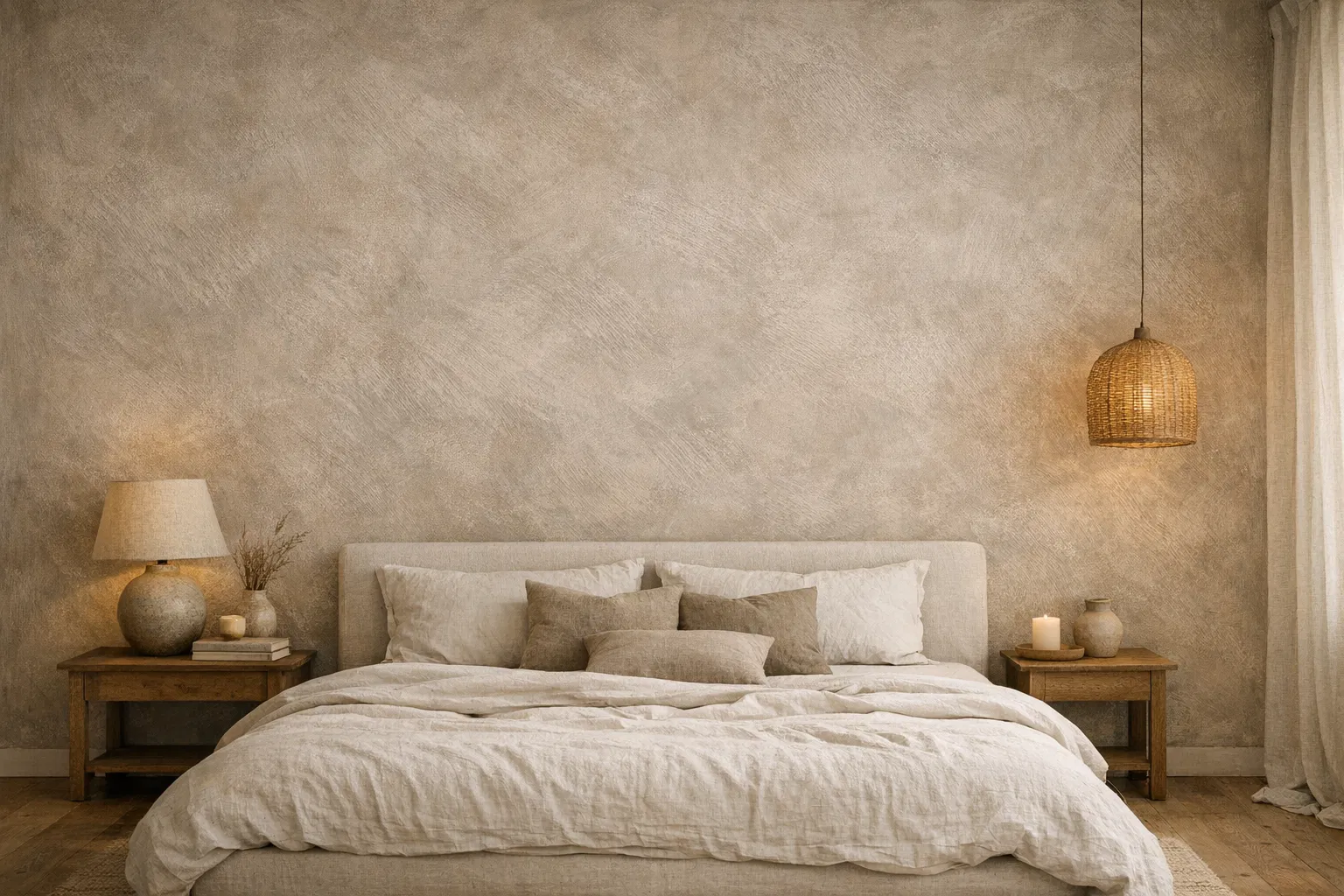
Limewash Interior Walls Cost: Quick answer
Expect limewash interior walls in Dallas to plan on about $10–$17 per square foot for the limewash material and application itself. Add preparation where needed—about $2/sq ft for minor textured-wall preparation or $5/sq ft for major substrate stabilization—and you’ll commonly see planning ranges of roughly $10–$22 per square foot depending on condition and scope. These are planning ranges, not a quote; exact pricing depends on wall condition, access, color and finish complexity, and the contractor’s hourly or unit rates.
What limewash is and why it affects cost
Limewash is a mineral-based finish made from slaked lime that soaks into plaster or masonry rather than simply sitting on the surface like paint. Interior limewash produces a soft, layered, slightly matte texture with subtle visual variation that’s prized for historic homes, modern rustic interiors, and spaces that need a breathable finish.
That material behavior is why limewash pricing looks different from paint: it bonds chemically with alkaline substrates, so surface preparation, wall moisture, and substrate composition directly affect labor and materials. A clean, sound painted drywall will take much less preparation than an old lime plaster wall with loose patches or hairline cracking.
How to read the price components
When you evaluate bids, break the job into recognizable components so you can compare apples to apples. Typical cost components are:
- Surface assessment and testing: visual inspection and any moisture or adhesion tests the contractor performs before pricing.
- Preparation: cleaning, removing loose materials, skim-coating or feathering, and any stabilization (see the planning ranges below).
- Primer or bonding coat (when needed): some substrates require a bonding or pigmented base coat before limewash.
- Limewash material and application: multiple thin passes are often applied to build depth and achieve the desired wash effect.
- Edge work and trim protection: taping, masking, and careful transitions to ceilings, trim, and windows.
- Cleanup and final inspection: protection removal and touch-ups.
From a budgeting standpoint, the only approved planning ranges you should use when estimating in Dallas for limewash are the limewash application range of $10–$17/sq ft, plus prep costs around $2/sq ft for minor textured-wall preparation or $5/sq ft for major stabilization. These are planning numbers intended to help you compare bids and plan a budget—not formal quotes.
Quick planning table (per square foot)
| Component | Low | High | Notes |
|---|---|---|---|
| Limewash finish | $10 | $17 | Material + application. Planning range only. |
| Minor textured-wall prep | ~$2 | Feathering, light skim, cleaning. Per-sq-ft estimate. | |
| Major stabilization | ~$5 | Repairs for loose plaster, bonding treatments, or re-profiling. | |
| Example total—no prep | $10–$17 | Limewash applied to sound, clean surfaces. | |
| Example total—minor prep | $12–$19 | Limewash plus typical light preparation. | |
| Example total—major stabilization | $15–$22 | Large repairs or stabilization required before limewash. | |
How wall condition changes the budget (concrete examples)
Here are practical, everyday scenarios to show how the same room can land in very different price brackets:
- New construction or freshly skimmed drywall: substrate is clean and smooth; no repairs. You’re likely to be near the lower end of the limewash range because little-to-no extra stabilization is required.
- Previously painted plaster in good condition: contractor may need a bonding coat and light prep—expect to add a small prep line item (~$2/sq ft). Total will often sit in the mid-range.
- Older lime or gypsum plaster with loose patches: these walls require repairs and possibly a consolidation treatment. Add the major stabilization planning number (~$5/sq ft); total will be toward the higher planning end.
- Accent walls, trim transitions, or multiple colors: extra masking and multiple passes increase labor—ask contractors to price line items for complexity (e.g., number of color washes, cut-in labor).
Estimating whole-room budgets (two short examples)
Use the square footage of wall area (not floor area) when estimating. Measure each wall’s width × height, subtract openings (doors and windows), and sum the walls to get the project square footage. Below are two conservative planning examples to help translate per-square-foot numbers into real-room budgets.
- Small bedroom (roughly 350 sq ft wall area):
At $12–$19/sq ft (minor prep scenario), plan on approximately $4,200–$6,650. If the walls are sound and need no prep, the low end could be closer to $3,500 (using $10/sq ft).
- Main living room with tall ceilings (roughly 700 sq ft wall area):
At $15–$22/sq ft (major stabilization scenario), plan on approximately $10,500–$15,400. If minimal prep is needed, a mid-range figure would be roughly $8,400–$13,300.
These room examples are planning aids; exact quotes depend on a contractor’s inspection and a written scope of work.
How to choose a contractor and what to ask
Hiring well reduces surprises. Ask candidates these direct, practical questions and require written documentation:
- Can you provide a written scope that separates prep, materials, and application labor? A clear line-item scope prevents misunderstandings when a hidden issue arises.
- Do you perform a substrate assessment and moisture/adhesion tests before final pricing? If moisture or adhesion problems exist and aren’t tested, the job can change after work starts.
- Can you show recent photos of similar limewash interiors? Look for examples that show how the finish looks under different lighting and in corners and transitions.
- Will you build a sample panel on-site? A small mock-up allows you to approve color depth and application technique before committing to the whole job.
- Do you have insurance and local references? Always confirm general liability insurance and ask for a couple of recent, local references so you can see finished work.
- How do you handle change orders? Get the process in writing: who approves changes, how pricing is calculated, and how approvals are documented.
When you want to learn about our limewash process and specific services, see our limewash services for a clear description of finishes and typical considerations.
Preparation steps you should plan for
Good preparation matters more than the color choice. Typical preparation steps include:
- Cleaning: removing dust, grease, and loose paint so the limewash can bond.
- Skim-coating or feathering: to level light imperfections. This is where the minor textured-wall prep (~$2/sq ft) usually applies.
- Stabilization or consolidation: when plaster is loose or powdery—this is the major stabilization scenario (~$5/sq ft).
- Masking and protection: protecting floors, trim, windows, and fixtures is a labor item often included in bids.
- Sample passes: limewash is buildable in thin washes—contractors often apply test passes to find the right depth and tone before full application.
Tradeoffs: limewash versus paint or plaster
Limewash is chosen for its look and breathability, but there are practical tradeoffs to consider:
- Appearance: limewash creates a soft, varied finish not achievable with standard paint; if you want uniform, flat color, paint is less expensive and more predictable.
- Durability: limewash is durable on suitable substrates but can be more susceptible to abrasion than high-performance paints in high-contact areas. Consider placement—hallways and kid’s rooms may need a protective approach.
- Maintenance: touch-ups can be done by reapplying washes to small areas, but matching exact layering may take skill. Discuss touch-up plans with your contractor before work begins.
- Breathability and compatibility: limewash is well-suited to historic and lime-plaster walls because it breathes; on some modern painted substrates a bonding coat may be required.
Permits, HOA rules, and project logistics in Dallas
Interior limewash generally does not require permits. However, if your project affects common areas in a multi-unit building, or if an HOA has specific finish rules, check regulations before work begins. For projects in Dallas neighborhoods where exterior appearance ties into HOA covenants, consult your association. If you need a local project example or neighborhood-focused guidance, read our write-up on a Preston Hollow limewash discussion at Limewash Walls: Preston Hollow.
Common cost pitfalls to avoid
- Accepting a single-line price: bids that don’t separate prep from finish risk large change orders if walls need more work.
- Skipping a sample panel: visual outcomes can vary widely; always insist on a small test before full application.
- Ignoring substrate testing: undetected moisture or failed adhesion can double your costs if discovered after application.
- Comparing by final invoice rather than per-sq-ft components: compare like items—material quality, number of passes, and preparation.
Financing, budgeting, and prioritization
If you’re working with a tight budget, prioritize the most visible walls (a single living room feature wall or entry wall) and plan a phased approach to the rest. Because limewash is pay-as-you-go by area, phasing allows you to spread cost while achieving the visual impact where it matters most.
For larger remodels, add a contingency to your budget for unexpected substrate repairs—setting aside 10–20% of the projected limewash budget is a common planning practice for finishes where substrate condition is uncertain.
Further reading and company resources
For general content about finish choices and to compare limewash with other surface treatments, visit our posts in the Accent Wall of Art blog. To confirm that we serve your neighborhood and to view our Dallas service area, see our location information at Dallas service area.
FAQs
How many coats of limewash are typically applied?
Contractors usually apply multiple thin washes to build depth rather than a single thick coat. The number of passes depends on the desired look and the substrate’s absorption; ask for a sample panel so you can see the results before full application.
Will limewash cover existing paint?
Limewash can be applied over painted surfaces, but adhesion and final appearance depend on the paint type and condition. Some painted substrates need a bonding coat or light preparation—factor potential prep into your budget.
How should I plan maintenance costs?
Maintenance is typically limited to spot reapplication if abrasion occurs. Talk with your contractor about expected wear in the specific room and how they price touch-ups so you have a realistic maintenance plan.
Can limewash be applied in humid Dallas weather?
Yes—professional contractors account for humidity, ventilation, and drying conditions in their process. Proper ventilation and staged drying are part of a contractor’s technique; discuss environmental controls in your written scope.
How do I get a reliable written estimate?
Ask for a line-item estimate that separates surface assessment, prep, bonding coats, limewash application (per sq ft), masking, and any extras such as multiple colors or sample panels. Insist on a sample panel and a written change-order policy.
Final practical steps
1) Measure and calculate wall square footage (width × height for each wall, minus openings). 2) Ask at least two contractors for a line-item written scope and a small on-site sample panel. 3) Use the planning ranges in this article—limewash $10–$17/sq ft, minor prep ~$2/sq ft, major stabilization ~$5/sq ft—to compare proposals. 4) Confirm insurance and request local references.
Accent Wall of Art can help with a site assessment and a sample panel; our business information for reference: Accent Wall of Art; (469) 608-0780
If you’d like a consultation to scope a project or get a line-item estimate, request a consultation online or use our contact page at Contact Accent Wall of Art, or call (469) 608-0780 to discuss planning ranges and next steps.
Related Questions & Answers
How many coats of limewash are typically applied?
Contractors usually apply multiple thin washes to build depth rather than a single thick coat. The number of passes depends on the desired look and the substrate’s absorption; ask for a sample panel so you can see the results before full application.
Will limewash cover existing paint?
Limewash can be applied over painted surfaces, but adhesion and final appearance depend on the paint type and condition. Some painted substrates need a bonding coat or light preparation—factor potential prep into your budget.
How should I plan maintenance costs?
Maintenance is typically limited to spot reapplication if abrasion occurs. Talk with your contractor about expected wear in the specific room and how they price touch-ups so you have a realistic maintenance plan.
Can limewash be applied in humid Dallas weather?
Yes—professional contractors account for humidity, ventilation, and drying conditions in their process. Proper ventilation and staged drying are part of a contractor’s technique; discuss environmental controls in your written scope.
How do I get a reliable written estimate?
Ask for a line-item estimate that separates surface assessment, prep, bonding coats, limewash application (per sq ft), masking, and any extras such as multiple colors or sample panels. Insist on a sample panel and a written change-order policy.
Discuss Your Custom Surface Project
Every project starts with a brief onboarding call with our principal design team. We discuss color matches, light reflections, and deliver custom sample boards directly to your Dallas-area home.
Ready to Transform Your Surfaces?
We bring ancient Italian artistry and cutting-edge continuous surfaces directly to Dallas' most prestigious homes. Whether you need Venetian plaster, seamless microcement floors, or exterior smooth stucco, our team delivers perfection.
Inquire Online
Submit your details and project scope. Our design lead will review your requirements.
Mandatory Onboarding Call
All signed clients are required to schedule a brief call with our principal design lead to finalize sample boards, color palettes, and lighting conditions.
Artisan Execution
Our team of master plasterers hand-crafts your finishes to perfection.
Plaster & Microcement Care Studio
Learn how to clean stains, wax dry plasters, and protect microcement wetrooms with our interactive care guidelines.
Request a Free Custom Estimate
Fill out the form below. We will get back to you within 24 business hours.