
How to Fix Ugly Textured Walls in Dallas: Plaster Options
"Practical guidance to fix ugly textured walls in Dallas using skim coats, decorative plasters, or microcement—what to choose, how to budget, and what to ask installers."
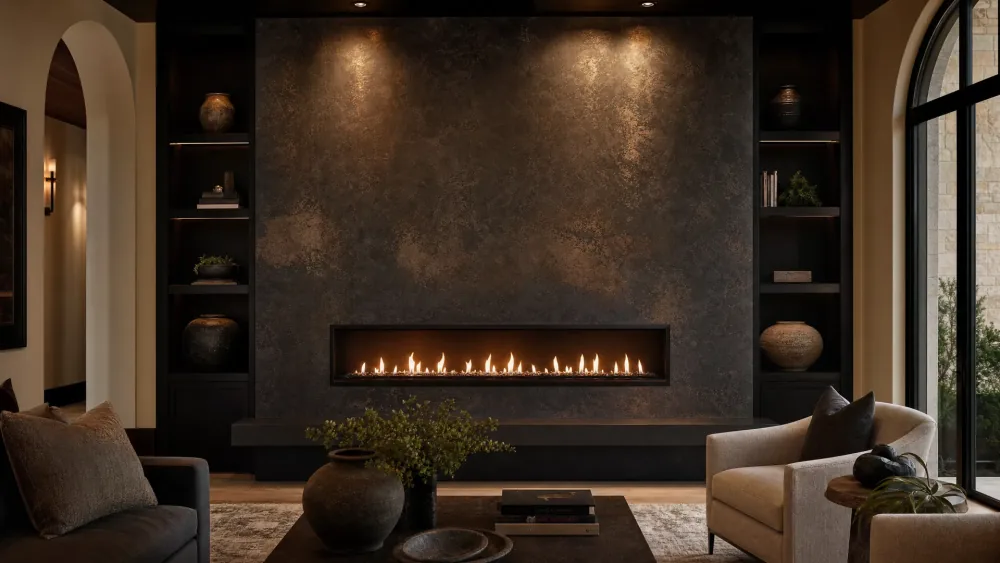
Fix ugly textured walls Dallas — quick answer
If you need to fix ugly textured walls in Dallas, the most durable, visually pleasing route is to remove or smooth the texture where necessary and apply a decorative plaster or modern microcement finish chosen for the room’s use and exposure. Which option is right depends on the texture type, substrate condition, and how you want the finished surface to perform and feel — this article walks you through the decisions, tradeoffs, budget planning, and hiring questions you’ll need to make a confident choice.
1. How to assess your textured walls before choosing a fix
Start by answering three practical questions that guide every decision:
- What kind of texture is it? (orange peel, knockdown, heavy stipple, spray-on popcorn, or patched drywall). Different textures require different prep: light orange peel often needs less work than heavy knockdown or popcorn that must be removed or fully skimmed.
- What is the substrate condition? Look for loose texture, delaminated paint, visible cracks, water stains, or soft spots. If the texture is bonding poorly, you’ll need stabilization or removal before any new finish.
- How will the space be used? Bathrooms, kitchens, and entryways need moisture resistance and cleanability; living rooms and bedrooms prioritize look and feel. That affects whether you select a breathable lime-based plaster, a polished Venetian look, or waterproof microcement.
Take photos and mark a 3 x 3 ft sample area to test. A contractor should always inspect the substrate in person before committing to a scope and estimate.
2. Real options: tradeoffs and when to choose each finish
Below are common, practical ways to fix ugly textured walls and when each is appropriate.
Drywall skim coat (straightforward smoothing)
If your main goal is to remove texture and return to a smooth, paint-ready surface, a drywall skim coat is the least expensive durable route. It requires proper bonding and often one or two coats over primed texture. This is the best choice when you want a painted finish afterward and the substrate is sound.
Decorative plasters (Venetian, Marmorino, Tonachino)
Decorative plasters create a finished surface without paint — they can hide minor irregularities and add depth. Use a breathable lime-based product (like Marmorino) in living areas where humidity cycles matter, and consider polished Venetian plaster when you want a luxe, subtle sheen. These finishes are best when you want a long-term aesthetic upgrade rather than just hiding texture.
Waterproof microcement
Microcement provides a thin, continuous, and waterproof surface that works well in wet areas or where you want a modern seamless look (floors, showers, bathrooms, and kitchen backsplashes). It requires stable substrate or stabilization and is more technical to apply correctly.
Limewash
Limewash is a breathable mineral finish with a soft, matte, slightly variegated appearance. It’s a good choice for historic homes or homeowners seeking a subtle, natural texture. It won’t hide severe surface irregularities — preparation must make the substrate sound.
When not to plaster
If the substrate is heavily compromised by moisture, mold, or structural movement, the first step is repair of the underlying problem. Cosmetic finishes won’t hold if the structural or moisture issues remain.
3. Preparation, hidden costs, and how to budget
Preparation is the most common place projects go off-budget. Plan for two distinct preparation items on any estimate:
- Minor textured-wall preparation — bonding and light skim work. Planning range: about $2 per sq ft.
- Major stabilization — replacing soft drywall, lock-coat bonding, or securing loose texture and patching. Planning range: about $5 per sq ft.
For the finish itself, use the planning ranges below as a budgeting tool. These are planning ranges only, not quotes — final pricing depends on access, quantities, complexity of edges, and finish selection.
Finish comparison table (planning ranges and characteristics)
| Finish | Look & typical placement | Durability / maintenance | Planning range (per sq ft) | Typical prep note |
|---|---|---|---|---|
| Venetian plaster | Polished, subtle sheen — living rooms, feature walls. | High; buffable and repairable. | $27–$43 | May need thorough skim; bonding tests recommended. |
| Marmorino (matte lime plaster) | Soft, stone-like matte finish — interiors where breathability matters. | Good; breathable and ages naturally. | $22–$34 | Substrate must be dry and stable. |
| Waterproof microcement | Seamless modern look — baths, kitchens, floors. | Very good when properly sealed and applied. | $30–$49 | Requires solid substrate or stabilization. |
| Tonachino (sand plaster) | Textured or softly troweled, tactile surfaces. | Durable; hides minor irregularities. | $20–$32 | Can hide small imperfections but needs secure base. |
| Limewash | Soft, chalky matte; historic or relaxed interiors. | Lower abrasion resistance; touch-ups easy. | $10–$17 | Best on prepared, clean surfaces. |
Remember: the two prep items above (minor and major) are commonly added to these finish ranges. If your wall needs significant repair, expect the contractor to list stabilization items separately.
4. Hiring checklist: what to ask your contractor
When you’re comparing contractors, your goal is to verify competence and reduce surprises. Ask for these concrete items in writing before work begins:
- Clear scope of work that states whether the price includes minor textured-wall preparation or major stabilization and lists those tasks separately.
- Samples or a small mockup area showing the exact finish, color, and sheen you’ll get. For decorative plasters and Venetian looks, see a mockup under the room’s lighting.
- Material list: which plaster system will be used, and whether a sealer or finish coat is included.
- Cleanup and protection plan for floors, trim, and adjacent rooms; plaster work creates dust and overspray during preparation.
- Proof of insurance and local references; ask for recent projects of the same finish type and a contact you can speak with about the outcome (not online reviews only).
If you want to view local decorative plaster options, we maintain a services overview that describes our decorative plaster offerings: Decorative Plaster Services (this is useful when you need a contractor familiar with plaster systems rather than a general painter).
5. Dallas considerations: climate and building stock
Dallas homes experience hot, humid summers and occasional dramatic temperature swings. That affects which finishes perform best:
- Breathable lime-based plasters (like Marmorino and Tonachino) help walls manage moisture and vapor movement in older or traditionally built homes.
- Waterproof microcement is a practical choice in high-moisture rooms (showers, mudrooms) because it forms a continuous, cleanable surface when installed properly.
- Ensure the installer accounts for seasonal humidity during application; many products have specific relative humidity and temperature ranges for best adhesion.
For Dallas-area project examples and design ideas, see our local information page: Dallas locations.
6. Mockups, color selection, and finishing details
A mockup is the single best tool to avoid disappointment. Ask your installer to do a 2–4 sq ft sample on your wall or on a portable board you can move around the room. Look at the mockup at different times of day and with both natural and artificial light.
Other important finish choices to confirm in writing:
- Level of polish or sheen for Venetians.
- Sealer type (if used) and maintenance recommendations.
- Edge conditions — whether plaster continues behind trim or stops at it, and how transitions to ceilings or adjacent paint are handled.
If you are weighing polished plaster against paint, a practical read is available on our site comparing Venetian plaster and regular paint: Venetian plaster vs. regular paint.
7. Typical project workflow and what you control
While exact schedules vary, the workflow generally follows inspection—prep—mockup—finish—seal/protect—cleanup. You control the look and finish level through the mockup, and you control budget surprises by requiring the contractor to list prep work separately. Don’t accept vague language like “all necessary prep included” without specifics about what that means.
FAQ
Can I paint over spray texture instead of plastering?
Yes, painting over texture is the least expensive immediate fix, but it preserves the texture rather than eliminating it. If your goal is to remove the texture entirely or upgrade to a high-end finish, a skim coat or decorative plaster is the appropriate choice.
How do I know whether my walls need minor prep or major stabilization?
A contractor should inspect for adhesion, softness, and movement. Minor prep addresses surface bonding and light skim work; major stabilization is required when drywall is delaminated, there are soft spots, or multiple layers need removal. Ask for these items listed separately on the estimate.
Will decorative plaster hide imperfections?
Plaster can conceal minor irregularities better than paint, but it’s not a fix for structural or moisture damage. Severe problems must be repaired first. A mockup will help you see how much the chosen finish hides defects.
Is microcement appropriate for bathrooms?
Yes — microcement is commonly used in wet environments when applied with the correct waterproofing and sealer system. Verify the installer’s experience with wet-room details and substrate prep.
How should I compare estimates?
Compare by scope more than by total price. Ensure each estimate lists prep, materials, mockup, labor, protection, and cleanup. Cheaper bids often omit stabilization or mockups, which leads to change orders later.
Next steps
If you’re ready to move forward, schedule an inspection and mockup with a plaster specialist who can confirm the substrate condition and put hard numbers to the planning ranges above. For a company that focuses on decorative plaster finishes in the Dallas area, see our services page and contact options.
Explore more design ideas on our blog: Accent Wall Blog.
Accent Wall of Art; (469) 608-0780 To request a consultation, use our contact page or call (469) 608-0780.
Related Questions & Answers
Can I paint over spray texture instead of plastering?
Yes, painting over texture is the least expensive immediate fix, but it preserves the texture rather than eliminating it. If your goal is to remove the texture entirely or upgrade to a high-end finish, a skim coat or decorative plaster is the appropriate choice.
How do I know whether my walls need minor prep or major stabilization?
A contractor should inspect for adhesion, softness, and movement. Minor prep addresses surface bonding and light skim work; major stabilization is required when drywall is delaminated, there are soft spots, or multiple layers need removal. Ask for these items listed separately on the estimate.
Will decorative plaster hide imperfections?
Plaster can conceal minor irregularities better than paint, but it’s not a fix for structural or moisture damage. Severe problems must be repaired first. A mockup will help you see how much the chosen finish hides defects.
Is microcement appropriate for bathrooms?
Yes — microcement is commonly used in wet environments when applied with the correct waterproofing and sealer system. Verify the installer’s experience with wet-room details and substrate prep.
How should I compare estimates?
Compare by scope more than by total price. Ensure each estimate lists prep, materials, mockup, labor, protection, and cleanup. Cheaper bids often omit stabilization or mockups, which leads to change orders later.
Discuss Your Custom Surface Project
Every project starts with a brief onboarding call with our principal design team. We discuss color matches, light reflections, and deliver custom sample boards directly to your Dallas-area home.
Ready to Transform Your Surfaces?
We bring ancient Italian artistry and cutting-edge continuous surfaces directly to Dallas' most prestigious homes. Whether you need Venetian plaster, seamless microcement floors, or exterior smooth stucco, our team delivers perfection.
Inquire Online
Submit your details and project scope. Our design lead will review your requirements.
Mandatory Onboarding Call
All signed clients are required to schedule a brief call with our principal design lead to finalize sample boards, color palettes, and lighting conditions.
Artisan Execution
Our team of master plasterers hand-crafts your finishes to perfection.
Plaster & Microcement Care Studio
Learn how to clean stains, wax dry plasters, and protect microcement wetrooms with our interactive care guidelines.
Request a Free Custom Estimate
Fill out the form below. We will get back to you within 24 business hours.